Over 160 currencies (Bitcoin included) and over 45 supported languages
Why Currency Rates Matter?
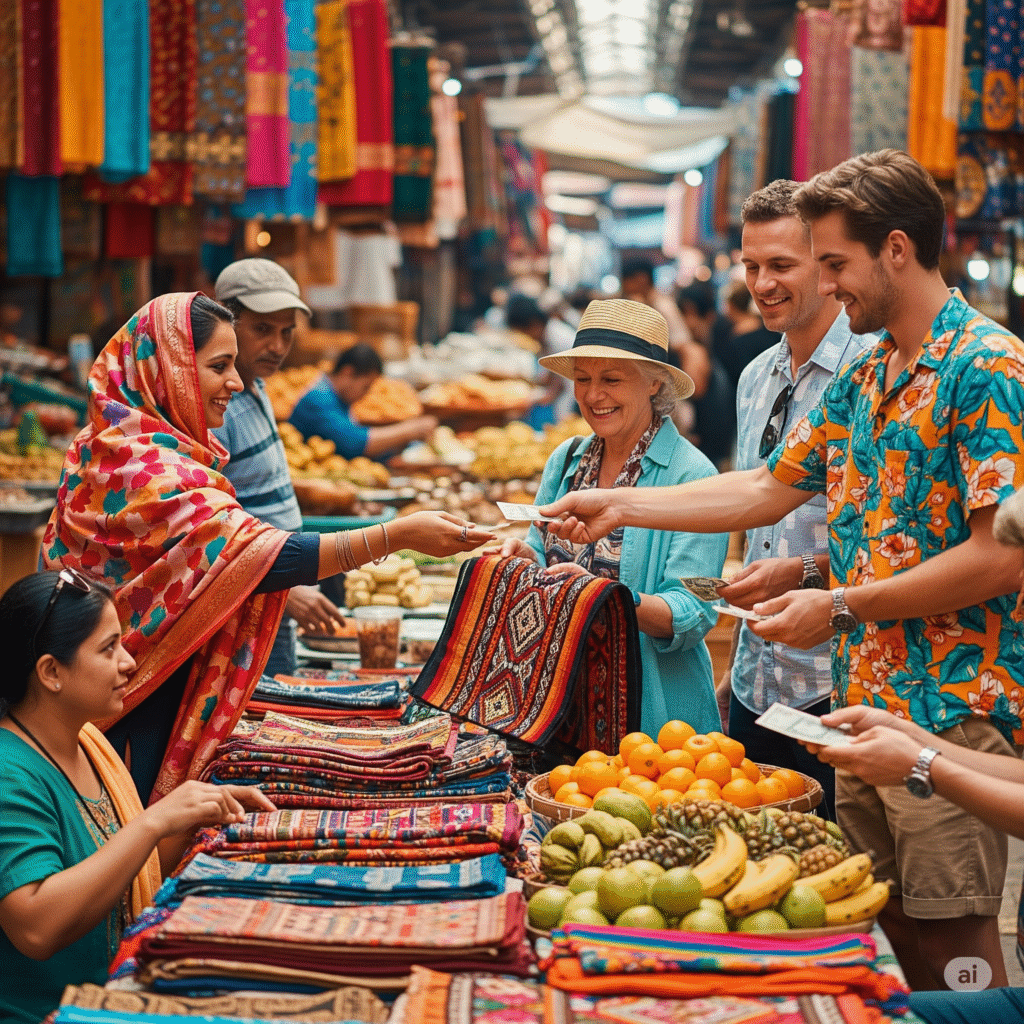


Overseas Travel: Exchange rates directly impact the cost of travel abroad. A strong home currency gives travelers greater purchasing power, while a weak currency means their money won’t stretch as far, according to Commerce Bank. Travelers often monitor exchange rates because it will help to decide when to exchange currency or whether a particular destination is more affordable.
Sending Money Abroad: Individuals regularly transferring money to family, friends, or for various purposes need to consider exchange rates. This is to ensure they are getting the best value and minimizing transfer costs.
International Purchases: When buying goods or services from other countries, exchange rates determine the actual cost in one’s home currency. This applies to online shopping, making major purchases like real estate or luxury goods abroad, and even evaluating the cost of international education.
10 Essential Tips for Currency Exchange When Traveling Abroad
Navigating currency exchange can be confusing and a poor rate costs you money. A smart plan can save you a lot. Handling foreign money also involves safety. We want you to travel smarter and safer. Follow these tips to manage your money well. You can minimize fees and avoid scams. Then you can focus on enjoying your trip.
1. Research the Mid-Market Rate Before You Go
Knowledge is your most powerful tool. You should know the exchange rate before you go. Find the current “mid-market rate.” This is the real rate banks use. You can easily find it on Google or XE.com. This rate is your benchmark for comparison. No exchange service will offer this exact rate. They make money by giving you a worse one. Knowing the benchmark helps you spot bad deals. You can compare different options effectively. This lets you make smart money decisions.
2. Prioritize Credit Cards with No Foreign Transaction Fees
Using a credit card is often very convenient. However, many cards charge extra fees abroad. This is a foreign transaction fee. It is usually 1% to 3% of your purchase. These fees can add up quickly. Look for a card with no foreign transaction fees. Many travel rewards cards offer this benefit. Use this card for your larger purchases. This saves you money on every transaction. It also means you carry less cash. This makes your travel much safer.
3. Use Local ATMs for the Best Cash Exchange Rates
You will need physical cash for your trip. The best way to get cash is from a local ATM. Go to an ATM at your destination. Forget exchange counters at the airport. ATMs use a much better exchange rate. Your bank may charge an out-of-network fee. The local ATM might also charge a small fee. Even with fees, it is often the cheapest method. Make fewer, larger withdrawals. This helps you save money on fixed fees.
4. Always Decline Dynamic Currency Conversion (DCC)
You may see a choice when you pay by card. The machine asks to pay in local or home currency. It seems helpful to choose your home currency. But this is a trick called Dynamic Currency Conversion (DCC). If you select your home currency, you get a bad rate. The merchant’s bank sets this poor rate. The golden rule is simple. Always choose to pay in the local currency. Your own bank will give you a much better rate. This saves you money every time.
5. Be Vigilant and Aware at ATMs (Safety Tip)
ATMs offer good rates but can be risky. Your safety and security are very important. Always be aware of your surroundings. Avoid ATMs in dark or isolated locations. Use machines located inside a bank lobby. Before using it, inspect the machine. Look for loose parts around the card slot. These could be “skimmers” that steal your data. Always cover the keypad with your other hand. This shields your PIN from view. Put your cash away immediately before you leave.
6. Carry Your Cash and Cards Securely (Safety Tip)
How you carry money is very important. Do not keep all your cash and cards together. This makes you an easy target for thieves. Use a money belt worn under your clothes. Or use a hidden neck pouch. Keep most of your cash and a backup card there. Carry only a small amount of cash in your wallet. This is called a “decoy wallet.” It minimizes your loss if stolen. Store extra valuables in your hotel room safe.
7. Beware of Street Changers and “Too Good to Be True” Rates (Safety Tip)
You may be approached by people on the street. They might offer to exchange money for you. Their rates may seem amazing. You should always reject these offers. These are almost always scams. They use tricks to give you less money. Or they might pass you counterfeit bills. Only use official and reputable exchange services. Stick to ATMs and legitimate banks. If a deal sounds too good to be true, it is.
8. Inform Your Bank and Credit Card Companies of Your Travel Plans
This is a simple but very important step. Tell your bank that you are traveling abroad. A sudden foreign charge can look like fraud. Your bank’s security system might freeze your account. This can leave you without access to money. You can prevent this with a quick notification. Use your bank’s website or mobile app. Or just call the number on your card. Tell them your destinations and travel dates. This ensures your cards will work smoothly.
9. Have a Multi-Faceted Payment Strategy
Do not rely on only one way to pay. The safest plan uses a mix of methods. Relying only on cash is risky if it’s stolen. A single card is risky if it gets lost. A smart strategy includes:
- Two different credit cards. Use cards from Visa and Mastercard.
- One debit card. Use this card only for ATM cash withdrawals.
- Some emergency cash. For small shops, tips, or transport.
This layered approach gives you flexibility. It provides important backup options for your trip.
10. Plan for Your Leftover Currency
You will probably have foreign currency left over. Try to have as little as possible. Exchanging money back home is a bad deal. You lose money on the rate a second time. On your last day, use your remaining cash. You can use it to pay for part of a big bill. Pay the rest with your credit card. Many airports have charity donation boxes. You can leave your extra coins and bills there. Or you can simply keep it as a fun souvenir.
📈 Market News & Currency Analysis
Bloomberg – Currencies
Global currency market news, analysis, and economic updates.
TradingView
Interactive charts for currency pairs, technical analysis, and trends.
Investing.com – Forex
Forex news, live exchange rate data, and market tools.
💸 Money Transfer Services
Remitly
Send money internationally with competitive exchange rates.
Western Union
Global remittance service with rate tracking.
MoneyGram
https://www.moneygram.com/us/en
🧠 Financial Education & Official Data
Investopedia – Currency
Educational articles explaining exchange rates, forex, and economics.
International Monetary Fund (IMF)
Global economic and currency data from one of the world’s top authorities.
Federal Reserve
The Federal Reserve System is the central banking system of the United States. It was created on December 23, 1913, with the enactment of the Federal Reserve Act, after a series of financial panics led to the desire for central control of the monetary system in order to alleviate financial crises.
Thanks for Visiting our Site!